
Uncovering the historical evolution of gambling From ancient rituals to modern casinos
The Origins of Gambling in Ancient Civilizations
The history of gambling can be traced back to ancient civilizations, where it was often intertwined with cultural practices and religious rituals. For instance, archaeological findings reveal that the Chinese engaged in rudimentary forms of gambling as early as 2300 BC, using tiles and sticks to create games of chance. These early methods set the foundation for gambling to evolve over millennia, demonstrating humanity’s innate attraction to risk and reward. Today, with the rise of live betting sites, it’s fascinating to see how far these activities have come.

In ancient Rome, gambling was both a popular pastime and a means to showcase one’s social status. The Romans utilized dice and various betting games, often incorporating them into festivities and gladiatorial contests. The acceptance of gambling in these societies suggests a complex relationship between chance, fate, and social interaction, where stakes often reflected personal honor and wealth.
Religious connections also played a significant role in early gambling practices. Many tribes and cultures used games of chance for divination or as a way to communicate with the gods. This fusion of spirituality and chance established a foundation for gambling that went beyond mere entertainment, embedding it deeply into the human experience throughout history.
The Middle Ages: Regulation and Stigma
The Middle Ages marked a pivotal period in the history of gambling, characterized by increased regulation and growing social stigma. Many European countries implemented laws governing gambling practices, reflecting the concerns of religious leaders who viewed gambling as morally questionable. Despite these restrictions, underground gambling flourished, showcasing the persistent human inclination towards risk-taking.
In England, the rise of card games became particularly prominent during this era, leading to the development of betting houses and informal gaming establishments. The fascination with these games often led to public outcries against gambling, suggesting a societal ambivalence toward the activity. This duality illustrates how gambling evolved as both a source of pleasure and a potential vice, illustrating the complexity of its cultural significance.
Amidst the regulations, certain forms of gambling gained acceptance, such as lotteries, which were often sanctioned by governments for funding public projects. This shift indicated a gradual acknowledgment of gambling’s potential benefits, laying the groundwork for future developments in the gaming landscape as society continued to grapple with its implications.
The Birth of Modern Gambling in the 18th and 19th Centuries
The 18th century witnessed a significant transformation in gambling practices, particularly with the advent of casinos. The first modern casino, the Ridotto, opened in Venice in 1638, serving as a precursor to the luxurious gaming establishments we recognize today. This era also saw the rise of popular games like roulette and baccarat, which contributed to the burgeoning gambling culture across Europe and beyond.
By the 19th century, gambling had become more structured, with the establishment of legal casinos in various countries, including France and the United States. The American gambling scene began to evolve dramatically with the Gold Rush, leading to a surge in saloons and gambling houses. This period highlighted the intersection of opportunity and chance, as fortunes were made and lost in the pursuit of wealth.
The introduction of gaming regulations also played a crucial role during this period, as governments began to recognize the potential economic benefits of legal gambling. This led to the establishment of well-regulated environments, shifting gambling from shadowy underground activities to legitimate businesses, which contributed significantly to local economies and tourism.
The Rise of Online Gambling in the 21st Century
The advent of the internet in the late 20th century revolutionized the gambling landscape, introducing online casinos and sports betting platforms. This new format allowed players to engage in their favorite games from the comfort of their homes, breaking down geographical barriers and expanding access. The convenience of online gambling has contributed to its rapid growth, attracting millions of users worldwide.
With the rise of mobile technology, the online gambling experience became even more accessible, leading to a surge in mobile gaming applications. This shift not only catered to a younger demographic but also created new opportunities for social interaction, as players could connect with others globally. This evolution reflects the continuous adaptation of gambling to meet the demands of modern society.
However, the online gambling industry has also faced scrutiny regarding responsible gaming practices and regulatory concerns. As the popularity of online gambling continues to rise, the emphasis on protecting players and ensuring fair play has become paramount. This ongoing dialogue between innovation and regulation highlights the dynamic nature of the gambling industry in the modern era.
The Future of Gambling: Trends and Innovations
The future of gambling is poised for further transformation, driven by technological advancements and shifting societal norms. Innovations such as virtual reality (VR) and augmented reality (AR) are beginning to shape immersive gaming experiences, allowing players to engage in more realistic simulations. These technologies have the potential to redefine how people perceive and interact with gambling environments.
Moreover, the increasing acceptance of cryptocurrency has introduced new payment methods within the gambling industry, providing players with greater anonymity and security. This trend may lead to more decentralized gambling platforms, further disrupting traditional models and enhancing user experience. As the industry evolves, it will be vital to balance innovation with regulatory measures to ensure a fair and responsible gaming environment.
Additionally, the growing focus on responsible gaming initiatives aims to address issues related to addiction and financial stability. As societal awareness of gambling-related harms increases, the industry must adapt to create safer spaces for players, ensuring that gambling remains a form of entertainment rather than a source of distress. This balance between innovation and responsibility will likely shape the future landscape of gambling.
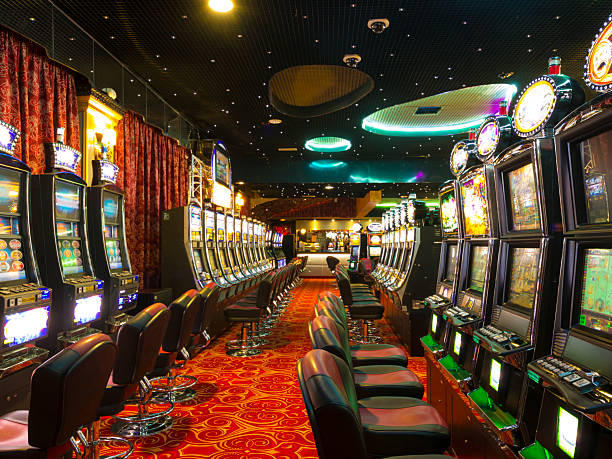
Explore Comprehensive Betting Insights on Our Platform
As the gambling landscape continues to evolve, our platform provides users with expert insights and resources to navigate this complex world. From detailed reviews of top sports betting sites to comprehensive guides on responsible gaming, we aim to empower both seasoned bettors and newcomers. Our commitment to delivering accurate and up-to-date information helps users make informed decisions in their gambling endeavors.
Our platform also offers comparisons of various bookmakers based on bonuses, reliability, and overall user experience. By simplifying the betting journey, we ensure that users can find the best options tailored to their individual preferences. Whether you are looking to explore casino games or engage in sports betting, our resources are designed to enhance your experience and maximize your chances of success.
In a rapidly changing gambling environment, staying informed is crucial. Our continuously updated rankings and insights ensure that you are equipped with the knowledge needed to navigate the world of gambling confidently. Join us in uncovering the rich history and future of gambling as we explore the opportunities that await in this captivating realm.